Symbiosis School of Culinary Arts and Nutritional Sciences (SSCANS), Pune: Courses, Fees, Admissions, Placements, Eligibility, Campus Life & More
About Symbiosis School of Culinary Arts and Nutritional Sciences (SSCANS), Pune
Symbiosis School of Culinary Arts and Nutritional Sciences (SSCANS), Pune is a specialized institute under Symbiosis International (Deemed University) that focuses on culinary education, food science, nutrition and hospitality-related learning.
The institute is designed to provide students with a combination of academic knowledge, practical culinary training, nutrition education and industry exposure. Its programmes are suitable for students interested in professional culinary careers as well as emerging opportunities in nutrition, food and hospitality.
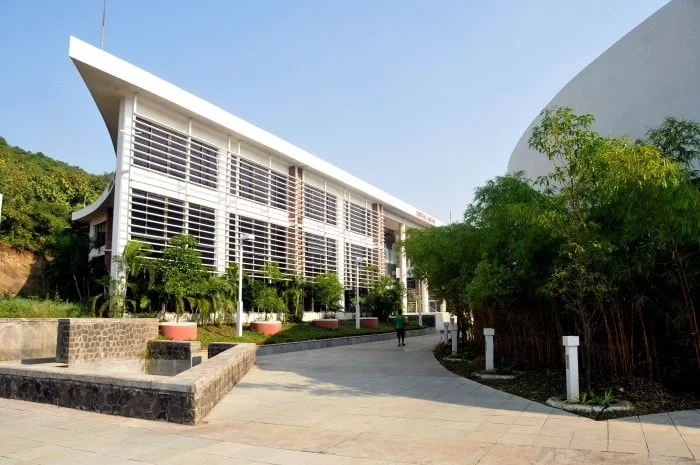
Located in Lavale, Pune, SSCANS provides a residential campus environment with specialized learning infrastructure, practical training facilities and opportunities for experiential learning.
The school emphasizes learning through practical training, demonstrations, industry interaction, internships and hands-on culinary experiences, helping students develop both technical and professional skills.
Symbiosis School of Culinary Arts and Nutritional Sciences (SSCANS), Pune offers specialized education at the intersection of management, culinary arts, hospitality and nutrition. Its management-focused programmes provide students with opportunities to develop business, leadership and operational skills alongside industry-specific knowledge, supported by practical learning, projects and industry exposure.
Part of the reputed Symbiosis International (Deemed University) network
Specialized focus on culinary arts, hospitality and nutritional sciences
Management learning combined with industry-specific knowledge
Practical exposure through projects, experiential activities and industry interaction
Strong focus on leadership, operations and business management
Opportunities for internships and professional development
Exposure to the hospitality, food and culinary industries
Located in Pune, a major education and hospitality hub
Career opportunities across hospitality, food businesses, culinary enterprises, nutrition-related organizations and other sectors
Particular Details Institute Name Symbiosis School of Culinary Arts and Nutritional Sciences Popular Name SSCANS Pune Parent University Symbiosis International (Deemed University)
Particular
Details
Institute Name
Symbiosis School of Culinary Arts and Nutritional Sciences
Popular Name
SSCANS Pune
Parent University
Symbiosis International (Deemed University)
Location
Lavale, Pune, Maharashtra
Institute Type
Private / Deemed University Institution
Academic Focus
Culinary Arts, Nutrition & Food Studies
Major Programme Areas
Culinary Arts & Nutrition
Mode
Full-Time
Campus
Symbiosis Lavale Campus
Learning Approach
Practical + Theoretical + Industry Exposure
Campus Type
Residential
Major Career Areas
Culinary, Food, Nutrition, Hospitality & Food Business
SSCANS can be an attractive option for students looking for specialized education in culinary arts, food and nutrition within the Symbiosis education ecosystem.
SSCANS can be an attractive option for students looking for specialized education in culinary arts, food and nutrition within the Symbiosis education ecosystem.
Specialized education in culinary arts and nutrition. Part of Symbiosis International (Deemed University). Located at the Symbiosis Lavale campus in Pune. Practical-oriented learni
Specialized education in culinary arts and nutrition.
Part of Symbiosis International (Deemed University).
Located at the Symbiosis Lavale campus in Pune.
Practical-oriented learning environment.
Hands-on culinary training.
Exposure to food preparation and professional kitchen practices.
Nutrition-focused academic learning.
Industry interaction and experiential education.
Internship opportunities.
Residential campus environment.
Access to Symbiosis academic facilities.
Opportunities to participate in culinary activities and events.
Development of professional communication and management skills.
Career opportunities across culinary, hospitality, food and nutrition sectors.
Scope for entrepreneurship in food and culinary businesses.
SSCANS focuses on programmes related to culinary arts, food and nutrition. Depending on the admission cycle, programme offerings may include undergraduate and postgraduate-level ed
SSCANS focuses on programmes related to culinary arts, food and nutrition.
Depending on the admission cycle, programme offerings may include undergraduate and postgraduate-level education in these areas.
The major academic pathways can be broadly divided into:
Culinary Arts
Students interested in professional cooking, food production, culinary management and hospitality can develop practical and managerial skills through culinary-focused education.
Nutrition & Food Studies
Students interested in nutrition, food science and wellness can explore academic and career opportunities related to nutrition, food products and health-oriented food services.
Note: Programme names, intake, eligibility and admission requirements can change between academic years. Students should verify the programme-specific details on the latest SSCANS admission notification before applying.
Culinary Arts Education
Culinary education at SSCANS focuses on developing professional skills required in modern food and hospitality environments.
Students can gain exposure to:
Food Preparation
Culinary Techniques
Kitchen Operations
Food Safety
Food Hygiene
Menu Planning
Food Costing
Bakery & Pastry
Indian Cuisine
International Cuisine
Food Presentation
Kitchen Management
Culinary Entrepreneurship
Hospitality Operations
The practical nature of culinary education allows students to develop technical skills alongside professional discipline and teamwork.
Nutrition & Food Education
Students interested in nutrition can explore concepts related to food, nutrition and wellness.
Major learning areas can include:
Human Nutrition
Food Science
Food Chemistry
Diet & Wellness
Food Safety
Nutritional Assessment
Community Nutrition
Food Product Development
Functional Foods
Nutrition Research
Public Health Nutrition
Food Quality
These areas can open career pathways in nutrition, food companies, wellness organizations and related sectors.
The curriculum combines academic learning with practical experience. Culinary Learning Areas Culinary Fundamentals Food Production Professional Kitchen Management Bakery & Pastry F
The curriculum combines academic learning with practical experience.
Culinary Learning Areas
Culinary Fundamentals
Food Production
Professional Kitchen Management
Bakery & Pastry
Food Styling
Menu Planning
Food Cost Control
Food Safety
Kitchen Hygiene
International Cuisine
Indian Cuisine
Culinary Innovation
Management Learning Areas
Students may also develop knowledge in:
Business Communication
Entrepreneurship
Marketing
Financial Management
Operations
Human Resource Management
Hospitality Management
Business Development
Nutrition Learning Areas
Depending on the programme, students may study:
Human Nutrition
Food Science
Nutritional Biochemistry
Dietetics
Food Microbiology
Public Health Nutrition
Food Product Development
Community Nutrition
Food Safety & Quality
Practical Learning
One of the important advantages of a specialized culinary programme is the emphasis on hands-on training.
Students can develop practical skills through:
Kitchen Training
Culinary Demonstrations
Food Preparation
Baking & Pastry Practice
Menu Development
Food Presentation
Practical Assignments
Industry Visits
Workshops
Internships
Culinary Events
Live Projects
This helps students understand professional kitchen operations rather than relying only on classroom-based education.
Eligibility depends on the programme selected.
Eligibility depends on the programme selected.
Candidates generally need to have completed 10+2 or an equivalent qualification from a recognized board, subject to the specific programme requirements.
Candidates generally need to have completed 10+2 or an equivalent qualification from a recognized board, subject to the specific programme requirements.
Candidates generally need a recognized bachelor's degree in the relevant discipline, subject to the programme-specific eligibility criteria. Important: Students should check the la
Candidates generally need a recognized bachelor's degree in the relevant discipline, subject to the programme-specific eligibility criteria.
Important: Students should check the latest official programme brochure for the exact percentage requirement, qualifying subjects and other admission conditions before applying.
The admission process varies depending on the programme. Students may need to complete: Step 1: Check Programme Eligibility Review the academic qualification and other requirements
The admission process varies depending on the programme.
Students may need to complete:
Step 1: Check Programme Eligibility
Review the academic qualification and other requirements for the selected SSCANS programme.
Step 2: Complete Online Application
Submit the application form through the prescribed Symbiosis admission portal.
Step 3: Entrance / Selection Process
Depending on the programme, candidates may be evaluated through the applicable university or institute selection process.
Step 4: Interview / Assessment
Where applicable, shortlisted candidates may participate in an interview, written assessment or other evaluation.
Step 5: Final Selection
The final selection is made according to the programme's admission criteria.
Step 6: Admission Confirmation
Selected students complete:
Document verification
Fee payment
Admission formalities
Hostel registration, where applicable
MBA Food Technology & Food Enterprise Management Fees 2026–28
Academic Fees — Indian Students
Fee Component
Amount
Academic Fee – Year 1
₹4,72,000
Institute Deposit
₹20,000 refundable
Academic Fee – 2 Years
₹9,44,000
Fee Component Amount per Year Mess Fee ₹1,19,000 Hostel Deposit ₹20,000 refundable Hostel – Three Sharing ₹1,68,900 Hostel – Four Sharing ₹1,24,800
Fee Component
Amount per Year
Mess Fee
₹1,19,000
Hostel Deposit
₹20,000 refundable
Hostel – Three Sharing
₹1,68,900
Hostel – Four Sharing
₹1,24,800
Payment 1st Year 2nd Year 1st Instalment ₹2,36,000 ₹2,36,000 2nd Instalment ₹2,36,000 ₹2,36,000 Total Academic Fee ₹4,72,000 ₹4,72,000 Institute Deposit: ₹20,000 is payable with th
Payment
1st Year
2nd Year
1st Instalment
₹2,36,000
₹2,36,000
2nd Instalment
₹2,36,000
₹2,36,000
Total Academic Fee
₹4,72,000
₹4,72,000
Institute Deposit: ₹20,000 is payable with the first instalment and is refundable.
Payment Dates
1st Instalment: At the time of admission
2nd Instalment: 25 November 2026
3rd Instalment: 25 June 2027
4th Instalment: 25 November 2027
Important Notes
Hostel and mess fees for the subsequent academic year will be communicated before commencement of that year.
Hostel and mess fees can increase by up to 10% each year.
Government taxes are additional wherever applicable.
Discretionary Quota seats carry double the open-category academic fee, as specified in the supplied fee structure.
The fee structure states that no donation or capitation fee is charged for admission to SIU programmes.
Students may be eligible for scholarships and financial assistance available through the Symbiosis ecosystem, subject to applicable rules. Potential financial-support options may i
Students may be eligible for scholarships and financial assistance available through the Symbiosis ecosystem, subject to applicable rules.
Potential financial-support options may include:
Merit-based scholarships
University scholarships
Government scholarships
Category-based scholarships
Sports-related scholarships
Other eligible financial assistance
Eligibility and award amounts vary depending on the scholarship scheme.
SSCANS prepares students for careers across the culinary, hospitality, food and nutrition sectors. The career opportunities depend significantly on the programme completed and the
SSCANS prepares students for careers across the culinary, hospitality, food and nutrition sectors.
The career opportunities depend significantly on the programme completed and the student's area of specialization.
Students can explore roles such as: Commis Chef Chef de Partie Sous Chef Pastry Chef Bakery Professional Culinary Supervisor Kitchen Manager Restaurant Manager Food Production Mana
Students can explore roles such as:
Commis Chef
Chef de Partie
Sous Chef
Pastry Chef
Bakery Professional
Culinary Supervisor
Kitchen Manager
Restaurant Manager
Food Production Manager
Catering Manager
Food Entrepreneur
Food & Nutrition Careers
Students can explore:
Nutrition Professional
Food Quality Executive
Food Product Development Executive
Nutrition Research Assistant
Wellness Professional
Food Safety Professional
Community Nutrition Professional
Food Industry Executive
Career Opportunities After Culinary Education
A culinary qualification can lead to opportunities across a wide range of food and hospitality businesses.
Major Employment Areas
Hotels
Restaurants
Resorts
Cafés
Bakeries
Cloud Kitchens
Catering Companies
Cruise Lines
Food Production Companies
Food Startups
Hospitality Groups
Airline Catering
Institutional Catering
Food Media
Culinary Education
Entrepreneurship
Career Opportunities After Nutrition Education
Students interested in nutrition and food-related careers can explore:
Nutrition Services
Wellness Centres
Food Companies
Food Product Development
Research Organizations
Community Nutrition
Public Health Projects
Food Safety
Quality Assurance
Nutrition Education
Health & Wellness Businesses
Note: Specific professional practice rights and job eligibility depend on the qualification earned and applicable regulations.
Practical exposure is particularly important in culinary and hospitality education. Students can gain experience through: Industry Internships Professional Kitchen Training Hotel E
Practical exposure is particularly important in culinary and hospitality education.
Students can gain experience through:
Industry Internships
Professional Kitchen Training
Hotel Exposure
Restaurant Projects
Culinary Events
Food Festivals
Industry Workshops
Guest Lectures
Live Projects
Food Product Development Activities
Internships help students understand professional work environments and develop workplace discipline.
SSCANS is located within the Symbiosis Lavale campus in Pune. Students can benefit from the wider Symbiosis campus ecosystem and residential environment.
SSCANS is located within the Symbiosis Lavale campus in Pune.
Students can benefit from the wider Symbiosis campus ecosystem and residential environment.
The campus environment provides access to facilities such as: Classrooms Seminar Halls Learning Spaces Digital Resources Library Facilities Computer Facilities Student Activity Are
The campus environment provides access to facilities such as:
Students can access residential facilities at the Symbiosis Lavale campus, subject to hostel availability and applicable institute rules.
Hostel facilities may include:
Furnished Rooms
Internet Connectivity
Mess Facilities
Common Areas
Recreation Facilities
Security
Student Support Services
The residential campus allows students to participate in academic and extracurricular activities beyond regular classroom hours.
Life at SSCANS includes a combination of academics, practical training and extracurricular activities. Students can participate in: Culinary Events Food Festivals Workshops Competi
Life at SSCANS includes a combination of academics, practical training and extracurricular activities.
Students can participate in:
Culinary Events
Food Festivals
Workshops
Competitions
Cultural Activities
Student Clubs
Industry Sessions
Campus Events
Sports Activities
Entrepreneurship Activities
These experiences help students develop:
Creativity
Teamwork
Communication
Leadership
Time Management
Professional Discipline
Entrepreneurial Thinking
Faculty
SSCANS brings together academic learning and industry-oriented education.
Faculty expertise can cover areas such as:
Culinary
Culinary Arts
Food Production
Bakery & Pastry
Kitchen Management
Hospitality
Nutrition
Human Nutrition
Food Science
Dietetics
Food Safety
Wellness
Nutrition Research
The combination of theoretical instruction and practical learning helps students understand both academic concepts and professional applications.
Research & Innovation
The food and nutrition sector is rapidly evolving, creating opportunities for research and innovation.
Students can explore areas such as:
Food Product Development
Functional Foods
Food Technology
Nutrition & Wellness
Sustainable Food Systems
Food Safety
Culinary Innovation
Alternative Proteins
Food Entrepreneurship
Healthy Food Development
Sustainable Culinary Practices
These areas are particularly relevant as consumers increasingly look for healthier, sustainable and innovative food products.
Entrepreneurship Opportunities
SSCANS can also be relevant for students who want to build their own food or culinary business.
Potential entrepreneurial ventures include:
Restaurants
Cafés
Bakeries
Cloud Kitchens
Catering Businesses
Food Trucks
Food Brands
Packaged Food Businesses
Nutrition Businesses
Culinary Consultancy
Food Content Businesses
Food Product Startups
Students can combine culinary expertise with management knowledge to understand areas such as:
Pricing
Cost Control
Marketing
Branding
Customer Experience
Operations
Business Development
Alumni & Industry Network
Being part of the Symbiosis International (Deemed University) ecosystem provides students with access to a broader university network.
Alumni interactions can support:
Industry Networking
Career Guidance
Mentorship
Internship Connections
Entrepreneurship Guidance
Professional Networking
The value of the alumni network also depends on the programme and graduating batch.
Admission schedules vary according to the programme and academic year.
Admission schedules vary according to the programme and academic year.
Timeline Application Opens As notified by SSCANS Application Deadline As notified by SSCANS Entrance / Selection Process Programme-specific Interview / Assessment If applicable Mer
Timeline
Application Opens
As notified by SSCANS
Application Deadline
As notified by SSCANS
Entrance / Selection Process
Programme-specific
Interview / Assessment
If applicable
Merit List
As per institute schedule
Fee Payment
After Selection
Hostel Registration
Before Programme Commencement
Academic Session Begins
As notified by the institute
Note: Students should check the latest official SSCANS admission notification because dates can change from one academic cycle to another.
The ROI of an SSCANS programme depends on the student's chosen career path. For culinary students, ROI can improve with: Strong practical skills Professional kitchen experience Hot
The ROI of an SSCANS programme depends on the student's chosen career path.
For culinary students, ROI can improve with:
Strong practical skills
Professional kitchen experience
Hotel internships
International exposure
Culinary specialization
Leadership development
Entrepreneurship
For nutrition and food-related students, career growth can depend on:
Specialization
Further education
Industry experience
Research skills
Food-industry exposure
Professional certifications
ROI Factors
Factor
Details
Institution
Symbiosis International ecosystem
Location
Pune
Learning Style
Practical + Academic
Industry Exposure
Internships & practical training
Major Areas
Culinary, Food & Nutrition
Campus
Residential
Career Scope
Hospitality, Food, Nutrition & Entrepreneurship
Symbiosis School of Culinary Arts and Nutritional Sciences stands out because it combines specialized food education with the wider Symbiosis academic ecosystem. Major Advantages S
Symbiosis School of Culinary Arts and Nutritional Sciences stands out because it combines specialized food education with the wider Symbiosis academic ecosystem.
Major Advantages
Specialized culinary and nutrition education.
Symbiosis International University ecosystem.
Pune-based residential campus.
Practical learning environment.
Hands-on culinary exposure.
Food and nutrition-focused education.
Industry interaction.
Internship opportunities.
Culinary events and workshops.
Hospitality career opportunities.
Food-industry career opportunities.
Entrepreneurship opportunities.
Exposure to modern food trends.
Opportunities to develop professional and managerial skills.
Symbiosis School of Culinary Arts and Nutritional Sciences (SSCANS), Pune offers specialized education for students interested in the evolving culinary, food, nutrition and hospita
Symbiosis School of Culinary Arts and Nutritional Sciences (SSCANS), Pune offers specialized education for students interested in the evolving culinary, food, nutrition and hospitality industries.
The institute provides an environment where students can develop practical skills alongside academic knowledge. Culinary-focused students can build expertise in food production, bakery and pastry, kitchen management, food presentation, menu planning and culinary entrepreneurship, while students interested in nutrition and food studies can explore areas such as food science, nutrition, wellness, food safety and product development.
Located at the Symbiosis Lavale campus, SSCANS provides students with a residential learning environment and access to the wider Symbiosis ecosystem.
For students who are passionate about food, culinary arts, hospitality, nutrition or food entrepreneurship, SSCANS can provide a specialized pathway toward building a career in these growing sectors.
Got questions?
Frequently Asked Questions (FAQs)
What is Symbiosis School of Culinary Arts and Nutritional Sciences (SSCANS), Pune?
Symbiosis School of Culinary Arts and Nutritional Sciences (SSCANS), Pune is a specialised institute under Symbiosis International (Deemed University) focusing on culinary arts, food technology, food enterprise management and nutrition-related education.
For postgraduate management education, SSCANS offers the Master of Business Administration (Food Technology and Food Enterprise Management), designed for students interested in the business, technology and management aspects of the food industry.
What is the SSCANS Pune MBA Food Technology and Food Enterprise Management?
The SSCANS Pune MBA in Food Technology and Food Enterprise Management is a two-year postgraduate management programme combining management education with specialised knowledge of the food technology and food enterprise sector.
The programme is suitable for students interested in areas such as food businesses, food processing, food technology, entrepreneurship, operations, marketing and enterprise management.
What is the duration of the SSCANS Pune MBA?
The MBA (Food Technology and Food Enterprise Management) is a two-year postgraduate programme.
The programme combines academic learning with industry-oriented knowledge related to food technology and food enterprise management.
Candidates applying for the SSCANS Pune MBA Admission 2026 should check the latest programme-specific eligibility requirements issued by the institute. The programme is designed as
Candidates applying for the SSCANS Pune MBA Admission 2026 should check the latest programme-specific eligibility requirements issued by the institute.
The programme is designed as a postgraduate management programme, and candidates should have a Bachelor's degree from a recognised institution as per the applicable university requirements.
For your website, it is advisable to use the institute's latest 2026 admission notification rather than assuming eligibility from another SSCANS programme.
The SSCANS MBA Food Technology and Food Enterprise Management Admission 2026 follows an institute-level selection process. The official 2026–27 admission calendar lists: Online pro
The SSCANS MBA Food Technology and Food Enterprise Management Admission 2026 follows an institute-level selection process.
The official 2026–27 admission calendar lists:
Online programme registration
Entrance Test
Group Exercise (GE)
Personal Interaction (PI)
Result and merit list
Fee payment and admission confirmation
For the 2026–27 cycle, registration commenced on 25 March 2026, with the programme scheduled to commence on 15 June 2026.
The SSCANS MBA (Food Technology and Food Enterprise Management) follows its own Entrance Test – Group Exercise – Personal Interaction (ET-GE-PI) admission process. Therefore, it sh
The SSCANS MBA (Food Technology and Food Enterprise Management) follows its own Entrance Test – Group Exercise – Personal Interaction (ET-GE-PI) admission process.
Therefore, it should not be presented as a SNAP-based MBA like several other Symbiosis institutes.
The official 2026–27 admission calendar specifically lists ET-GE-PI dates for the programme.
SSCANS does not publish a conventional CAT or SNAP percentile cutoff for the MBA Food Technology and Food Enterprise Management. The programme uses its own Entrance Test, Group Exe
SSCANS does not publish a conventional CAT or SNAP percentile cutoff for the MBA Food Technology and Food Enterprise Management.
The programme uses its own Entrance Test, Group Exercise and Personal Interaction process for candidate selection.
Therefore, an unofficial CAT/SNAP percentile should not be presented as the official SSCANS Pune MBA Cutoff 2026.
The general SSCANS Pune MBA Admission Process 2026 includes: Online registration Programme entrance test Group Exercise Personal Interaction Merit list Provisional admission Fee pa
The general SSCANS Pune MBA Admission Process 2026 includes:
Online registration
Programme entrance test
Group Exercise
Personal Interaction
Merit list
Provisional admission
Fee payment and confirmation
Candidates selected through the process are required to pay the prescribed fees within the specified timeline to confirm their seats.
The available official programme structure for the MBA (Food Technology and Food Enterprise Management) lists the academic fee for Indian students at ₹4.50 lakh per year, along wit
The available official programme structure for the MBA (Food Technology and Food Enterprise Management) lists the academic fee for Indian students at ₹4.50 lakh per year, along with a ₹20,000 refundable institute deposit for the applicable programme structure.
Amount Academic Fee – Per Year ₹4.50 lakh Institute Deposit – Refundable ₹20,000 Approx. Academic Fee – 2 Years ₹9.00 lakh Approx. Academic Fee + Deposit ₹9.20 lakh Important: The
Amount
Academic Fee – Per Year
₹4.50 lakh
Institute Deposit – Refundable
₹20,000
Approx. Academic Fee – 2 Years
₹9.00 lakh
Approx. Academic Fee + Deposit
₹9.20 lakh
Important: The programme-specific official document available for the MBA lists the above fee structure. Students should verify the latest fee notification applicable to the exact 2026–28 batch before final publication.
No. Academic fees and hostel/mess charges are separate. SSCANS publishes accommodation and mess charges separately, and these can vary depending on the campus, room type and availa
No. Academic fees and hostel/mess charges are separate.
SSCANS publishes accommodation and mess charges separately, and these can vary depending on the campus, room type and availability.
Yes. SSCANS students can access residential accommodation through the Symbiosis campus system. Accommodation options can vary according to availability and may include single, twin
Yes. SSCANS students can access residential accommodation through the Symbiosis campus system.
Accommodation options can vary according to availability and may include single, twin, triple and four-sharing arrangements or dormitory accommodation. Hostel and mess fees are charged separately.
12. What subjects are covered in the SSCANS Pune MBA?
The programme focuses on the intersection of management, food technology and food enterprise.
Students can develop knowledge in areas related to:
Food Technology
Food Enterprise Management
Business Management
Food Processing
Operations Management
Marketing
Finance
Entrepreneurship
Business Strategy
Food Industry Management
Enterprise Development
The programme structure is specifically designed around the management and technological aspects of the food sector.
13. Does SSCANS Pune offer Food Technology?
Yes. Food Technology is a central component of the programme.
The MBA combines management education with the technological and operational aspects of the food industry, making it relevant for students interested in food processing, food businesses and food-sector innovation.
14. Does SSCANS Pune offer Food Enterprise Management?
Yes. Food Enterprise Management is part of the formal programme title.
The programme is designed to help students understand how food businesses are developed, managed and scaled, with exposure to enterprise management, business strategy, operations and entrepreneurship.
15. Is SSCANS Pune MBA good for Food Business and Entrepreneurship?
Yes. The programme can be particularly relevant for students interested in food entrepreneurship and food business management.
Potential areas include:
Food Startups
Food Processing Businesses
Food & Beverage Enterprises
Food Product Development
Business Development
Food Supply Chain
Entrepreneurship
Enterprise Management
The combination of food-sector knowledge and management education can be useful for students planning careers or businesses in the food industry.
16. Does SSCANS Pune MBA provide practical learning?
Yes. The programme is designed around the intersection of management and food-sector applications.
Students can gain exposure to practical aspects of the food industry through academic projects, applied learning and industry-oriented activities.
This makes the programme different from a conventional general MBA because its learning is specifically connected to food technology and food enterprise management.
17. Does SSCANS Pune provide industry exposure?
Yes. Industry orientation is an important part of the programme.
Students can explore practical applications across areas such as:
Food Processing
Food Technology
Food Business
Food Operations
Enterprise Management
Food Product Development
Entrepreneurship
Business Strategy
The specialised nature of the programme allows students to connect management concepts with the requirements of the food industry.
After completing the SSCANS Pune MBA Food Technology and Food Enterprise Management, graduates can explore opportunities in: Food Technology Food Business Management Food Processin
After completing the SSCANS Pune MBA Food Technology and Food Enterprise Management, graduates can explore opportunities in:
Food Technology
Food Business Management
Food Processing
Food Marketing
Food Operations
Supply Chain Management
Business Development
Food Product Management
Quality and Food Industry Management
Entrepreneurship
Consulting
General Management
Career opportunities depend on the student's skills, specialisation, internships, industry exposure and career objectives.
19. Is SSCANS Pune MBA suitable for freshers?
The programme is a postgraduate management programme, making it relevant for graduates who want to build careers in the food technology and food enterprise sector.
Candidates should verify the exact 2026–28 eligibility criteria before applying because programme-specific requirements can change between admission cycles.
Students should check the latest Symbiosis International (Deemed University) scholarship policies and SSCANS programme-specific notifications for the 2026–27 academic year. Scholar
Students should check the latest Symbiosis International (Deemed University) scholarship policies and SSCANS programme-specific notifications for the 2026–27 academic year.
Scholarship availability, eligibility and amounts can vary, so a specific scholarship amount should not be published without confirmation from the latest official notification.
21. Is the SSCANS Pune MBA different from a regular MBA?
Yes. The major difference is its specialised industry focus.
A regular MBA generally provides broad management education applicable across industries, whereas the SSCANS Pune MBA Food Technology and Food Enterprise Management combines management education with specialised knowledge of the food technology and food enterprise sector.
This makes it particularly relevant for candidates interested in the food and beverage, food processing and food business ecosystem.
22. Is SSCANS Pune MBA worth it in 2026?
The SSCANS Pune MBA Food Technology and Food Enterprise Management can be considered by students who want a specialised management career in the food industry.
Key advantages include:
Specialised MBA programme
Food Technology focus
Food Enterprise Management focus
Two-year postgraduate programme
Industry-oriented education
Food business exposure
Entrepreneurship opportunities
Symbiosis International University ecosystem
Pune location
Residential campus facilities
Students should compare the programme's fees, curriculum, career opportunities and industry exposure with other food management and food technology programmes before making a final decision.
23. Who should choose SSCANS Pune MBA 2026?
The programme can be suitable for candidates who:
Have a Bachelor's degree
Are interested in the food industry
Want to work in food technology
Want to build a career in food business management
Are interested in food processing
Want to explore food entrepreneurship
Are interested in food product development
Want management knowledge with a specialised industry focus
The primary difference is the programme's specialised focus on food technology and food enterprise management. While conventional MBA programmes cover general areas such as finance
The primary difference is the programme's specialised focus on food technology and food enterprise management.
While conventional MBA programmes cover general areas such as finance, marketing, HR and operations, the SSCANS programme applies management concepts specifically to the food sector.
This makes it an option for students who want to combine management education with food-industry expertise.